
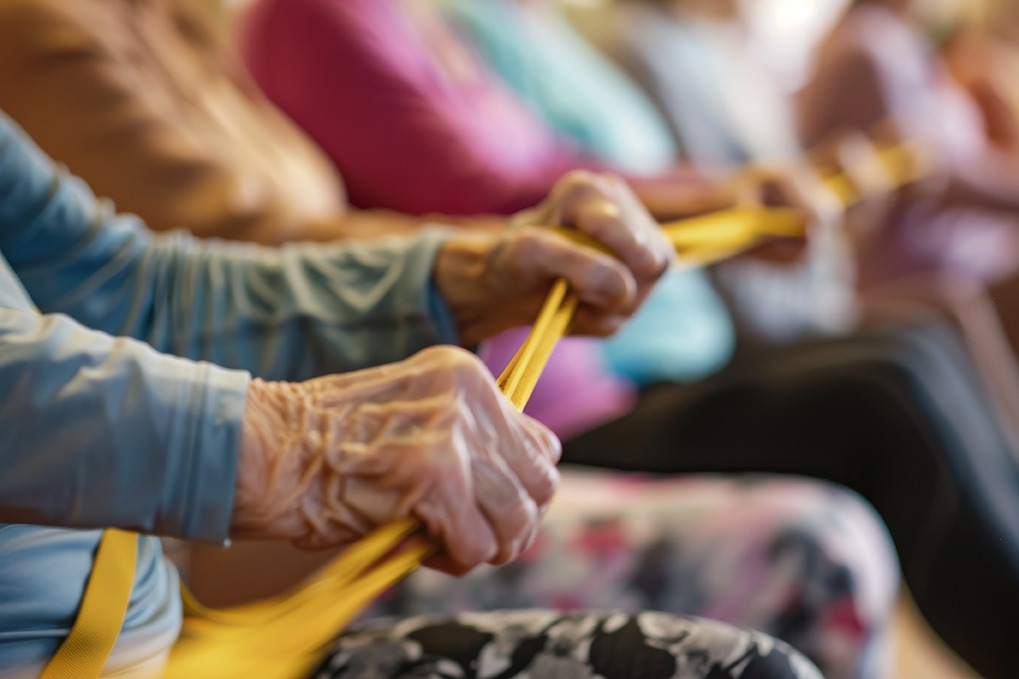
As the population ages, care homes play a vital role in supporting the health, wellbeing, and independence of older adults. Among the many services that enhance the quality of life for residents, physiotherapy stands out as a cornerstone of effective, person-cantered care.
What Is Physiotherapy?
Physiotherapy involves the use of techniques such as movement, exercise, manual therapy, assessment and education to help individuals restore function, improve balance, mobility, and manage pain. In care homes, physiotherapists work closely with residents, care staff, and families to create tailored treatment plans that meet individual needs.
Key Benefits of Physiotherapy in Care Homes
Improved Mobility and Independence
One of the primary goals of physiotherapy is to help residents maintain or regain their ability to move freely. This includes:
- Supporting safe walking or transfers
- Reducing the risk of falls
- Promoting muscle strength and joint flexibility
By improving mobility, residents can continue to perform daily tasks with more independence and confidence.
Fall Prevention
Falls are a significant concern in care homes and can lead to serious injuries. Physiotherapists assess each resident’s fall risk and provide:
- Balance and strength training
- Gait analysis and mobility aids
- Environmental recommendations to reduce hazards
- There is a strong evidence base that physiotherapy in older populations significantly reduces the risk of falls
These interventions significantly reduce the incidence and impact of falls.
Pain Management
Chronic pain can drastically affect quality of life. Physiotherapists use a combination of techniques to manage and reduce pain, including:
- Therapeutic exercises
- Manual therapy
- Heat or cold therapy
- Education on posture and body mechanics
Effective pain management can lead to better sleep, mood, and participation in daily activities.
Enhanced Recovery After Illness or Surgery
After events like strokes, fractures, or surgery, physiotherapy plays a crucial role in rehabilitation. Tailored exercise programs and hands-on therapy accelerate recovery and help residents regain their previous level of function.
Improved Mental Health and Wellbeing
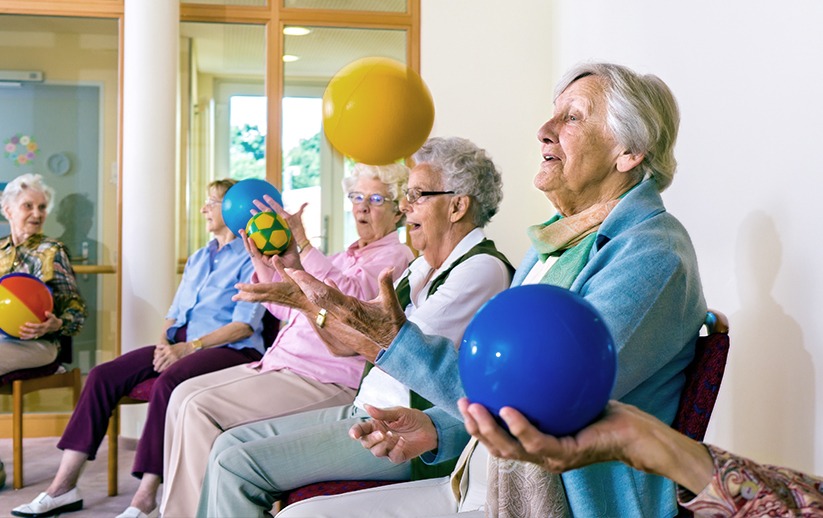
Physical activity and social engagement are closely tied to mental health. Physiotherapy encourages movement, social interaction, and goal-setting, all of which:
- Reduce symptoms of depression and anxiety
- Increase motivation and self-esteem
- Foster a sense of purpose and control
Support for Staff and Family Caregivers
Physiotherapists also provide training and guidance to care staff and family members on safe handling techniques and exercise programs. This:
- Reduces caregiver strain
- Improves care quality
- Enhances team-based support for residents

Physiotherapy: A Vital Investment in Resident Wellbeing
Incorporating physiotherapy into care home settings is not just a clinical benefit—it’s a holistic approach to enriching the lives of older adults. Whether it’s helping a resident walk to the dining room, easing the pain of arthritis, or recovering after a fall, physiotherapy empowers individuals to live with dignity, autonomy, and joy.
Are You Making the Most of Physiotherapy in Your Care Home?
If you’re a care home manager, staff member, or family caregiver, consider how physiotherapy services could enhance the lives of the residents you support. Small steps in mobility and comfort can lead to big strides in overall wellbeing.