
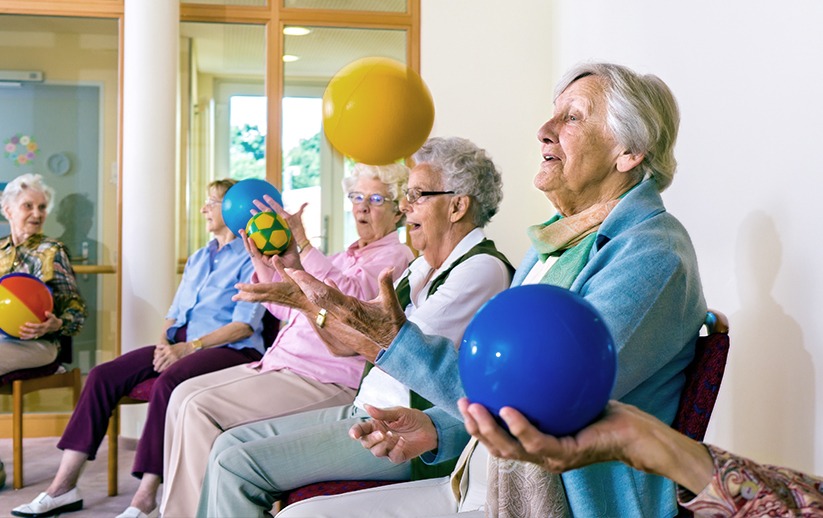
Exercise offers numerous physical, mental, and emotional benefits for elderly populations. Here are some key advantages:
Physical Health Benefits
- Improved Mobility and Balance- Exercise enhances strength, flexibility, and coordination, reducing the risk of falls and injuries.
- Chronic Disease Management- Physical activity helps manage conditions like diabetes, heart disease, and hypertension.
- Bone Health- Weight-bearing exercises help maintain bone density, reducing the risk of osteoporosis and fractures.
- Improved Joint Health- Regular movement can reduce stiffness and alleviate arthritis symptoms.
- Better Cardiovascular Health- Aerobic activities improve heart health and circulation.
Mental and Cognitive Benefits
- Reduced Risk of Dementia- Physical activity has been linked to improved brain health and a lower risk of cognitive decline.
- Improved Mood- Exercise releases endorphins, which helps combat depression, anxiety, and stress.
- Better Sleep- Regular activity promotes more restful sleep patterns.
Enhanced Independence
- Exercise helps maintain the strength and stamina needed for daily tasks like cooking, cleaning, and dressing, prolonging independence.
Social Benefits
- Participating in group activities like walking clubs or fitness classes can foster social connections and combat loneliness.
Improved Quality of Life
- Regular physical activity boosts energy levels, confidence, and overall well-being, making daily life more enjoyable.
Recommended Types of Exercise
- Aerobic Activities: Walking, swimming, or cycling for cardiovascular health.
- Strength Training: Using light weights or resistance bands to maintain muscle mass.
- Flexibility Exercises: Yoga or stretching to improve range of motion.
- Balance Exercises: Tai Chi or simple balance drills to prevent falls.